NRS Briefs Senate on Civic Education Initiatives for Youth in Rehabilitation Centers
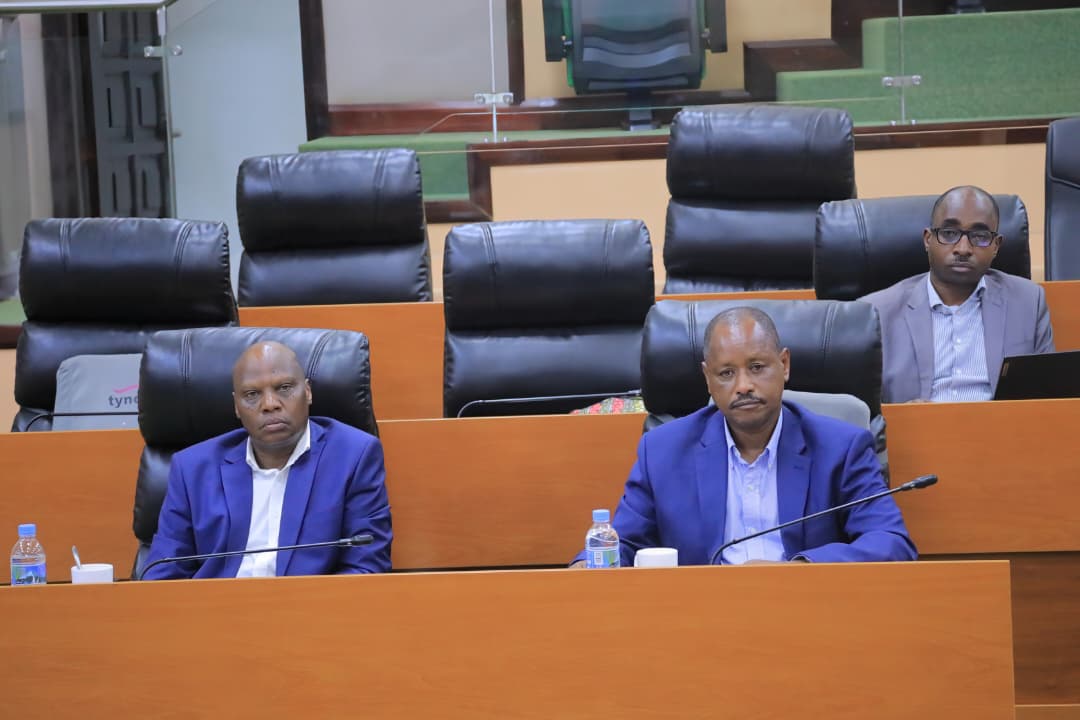
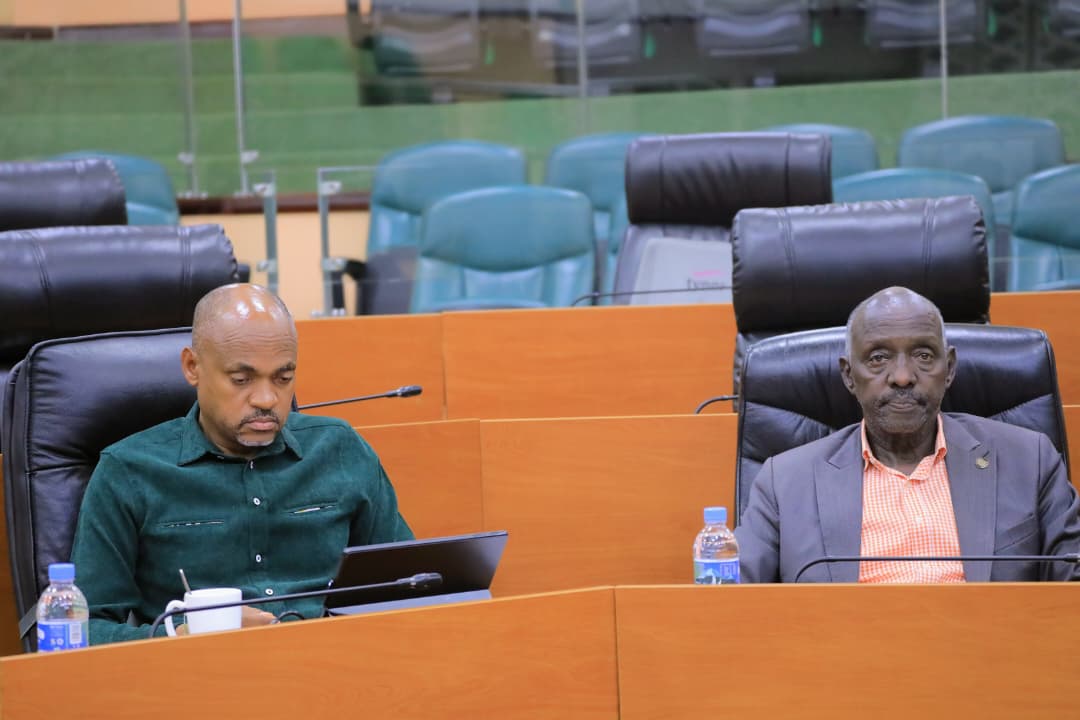
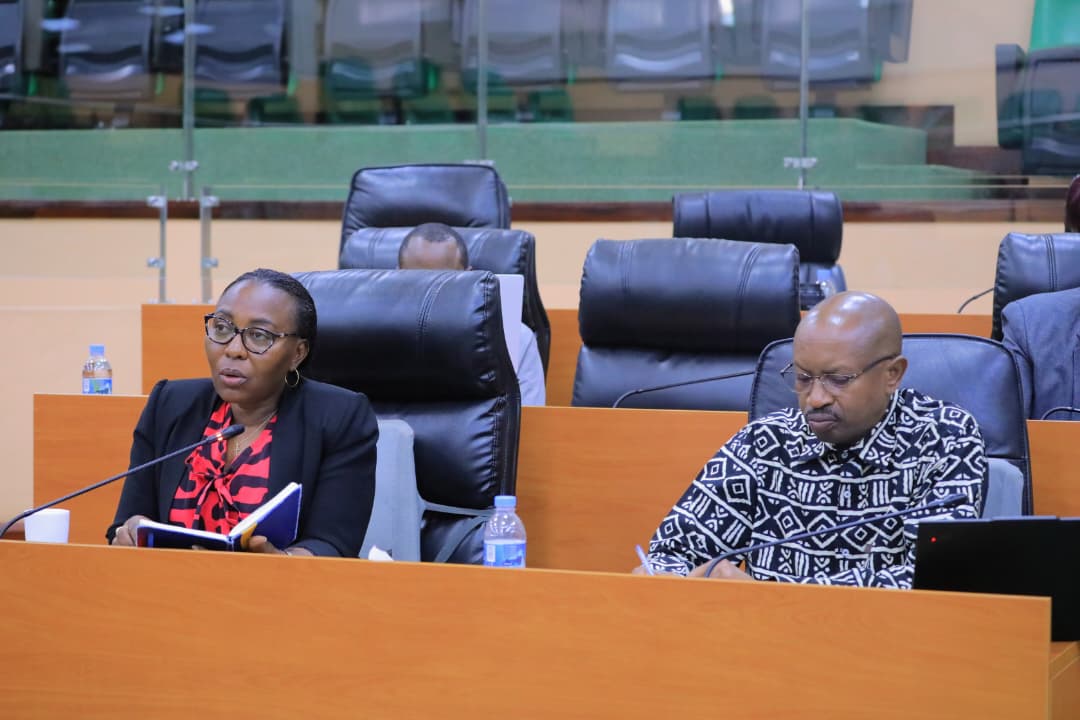
On November 19, 2026, the Director General of the National Rehabilitation Service (NRS), accompanied by the Deputy Director General, held a consultative meeting with Senators from the Committee on Governance and Human Rights. The discussions focused on ongoing initiatives and strategies aimed at promoting civic education among youth undergoing rehabilitation.
During the session, NRS officials outlined various programs implemented across rehabilitation centers to help young people transform their behavior, embrace Rwandan cultural values, and prepare for smooth reintegration into society with a renewed sense of purpose.
To achieve this goal, NRS focuses on the following key pillars:
- Psychosocial Support: Providing trauma healing and counseling services to promote positive mindset change.
- Culture and Values: Educating youth on Rwandan cultural values and taboos.
- Self-Leadership: Training youth through the “I Lead Program”, designed to empower them to make responsible choices and transform their lives.
- Vocational Training and Talent Development: Equipping youth with practical technical skills to foster entrepreneurship or employability after rehabilitation, alongside sports and recreational activities that build social cohesion and nurture their talents.
To strengthen the bond between trainees and their families, NRS management noted that parents and relatives are facilitated to visit their loved ones and communicate with them via telephone. Furthermore, the institution works closely with local government authorities to monitor and support graduates of the rehabilitation program, ensuring they reintegrate smoothly and become productive citizens contributing to national development.
Overall, NRS leadership emphasized that rehabilitation goes beyond behavioral change. It also focuses on instilling positive values, promoting civic responsibility, building self-reliance and preparing young people to become responsible and productive members of their families, communities and the country.